


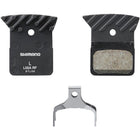


Before you start
- Make sure the rotor and pads are clean. Wipe the rotor with isopropyl alcohol. Don't touch the braking surfaces with your fingers.
- Choose a quiet, flat place with no traffic.
- Check the brakes work before you set off.
Step by step
- Ride at about 20–25 km/h (12–15 mph).
- Brake firmly with one brake until you slow to walking pace. Don't come to a full stop, and don't lock the wheel.
- Repeat 10–20 times for each brake.
- Then do 2–3 harder stops from a little faster.
- Let the brakes cool by riding gently for a minute. Don't sit holding the brake on with hot rotors, as this can leave uneven pad deposits.
You should feel the brakes get stronger as you go. Follow your brake maker's process if it's different, as some sintered pads need more stops.
If the brakes are still weak or noisy
- Re-bed them with another set of stops.
- Check for contamination. If oil or lube got on the pads, replace them and clean the rotor.
- Check the pad alignment and that the caliper is centred over the rotor.
FAQs
Do I need to bed in new pads on old rotors?
Yes, any time you change pads or rotors.
Can I bed in brakes on the turbo?
No. You need to be moving on the bike.