


Compare the compounds
| Resin (organic) | Sintered (metal) | Semi-metallic | |
|---|---|---|---|
| Bite | Strong, quick | Takes a little more lever | In between |
| Noise | Quiet | Can be noisier | In between |
| Wear life | Shorter | Longest | Medium |
| Wet and mud | Wears faster | Best | Good |
| Heat on long descents | Can fade | Best | Good |
| Best for | Road, dry trail, commuting | Winter, MTB, heavy riders, e-bikes | All-round |
Check your rotors
Some rotors are marked resin only. Sintered pads will wear these quickly. Check the rotor before switching to sintered.
Get the right shape
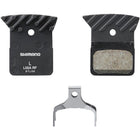
Pads are made for specific calipers, so match them to your brake model, for example Shimano L-type or SRAM Level. The model is usually printed on the caliper. Many pads also have a code stamped on the backing plate.
When to replace
- When the pad material is down to about 0.5mm, or less than your brake maker's minimum.
- If the pads have been contaminated by oil, brake fluid or chain lube. Contaminated pads rarely recover.
- If braking has become weak or noisy and cleaning the rotor hasn't helped.
Always bed in new pads before relying on them. See Bedding in new pads and rotors.
FAQs
Can I mix compounds front and rear?
Yes. Some riders fit sintered on the front for heat and resin on the rear for feel.
Why are my brakes squealing?
Usually contamination or pads that weren't bedded in. Clean the rotor with isopropyl alcohol and re-bed.
Do e-bikes need special pads?
Many brands make e-bike pads for the extra weight and speed. They're worth using.