



Get ready for winter
| Change | Why |
|---|---|
| Mudguards | Keep you, your bike and riders behind you cleaner and drier |
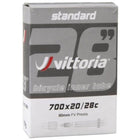
| Tougher tyres (and a little wider) | More grip and fewer punctures on gritty roads |
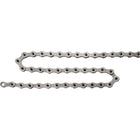
| Wet lube | Stays on the chain in the rain |
| Lights | Shorter days and darker mornings |
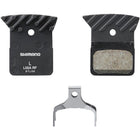
| Sintered brake pads (disc) | Last longer in wet grit |
After every wet ride
- Rinse off grit and salt with low-pressure water. Avoid jet washing bearings.
- Wipe the chain and re-lube it once dry. Wipe off the excess.
- Dry the bike and store it somewhere dry if you can.
Every week or two
- Check chain wear with a chain checker. See When to replace your chain.
- Check brake pads. Grit can wear them out in a few hundred kilometres.
- Check tyres for embedded flints and cuts.
- Clean the drivetrain properly with degreaser.
Protect for the long run
- Add a light coat of grease or protective spray to exposed bolts and cable ends.
- Keep the seatpost greased (or use carbon paste) so it doesn't seize.
- Service the headset and bottom bracket at the end of winter if they feel rough.
FAQs
Should I use a winter bike?
If you ride a lot in bad weather, a cheaper winter bike saves wear on your best one.
Is road salt really that bad?
Yes. It speeds up corrosion, so rinse it off soon after riding.