

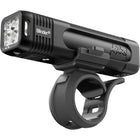

How bright?
| Where you ride | Front light | Rear light |
|---|---|---|
| Lit town and city roads | 200–400 lumens | 50–100 lumens |
| Unlit roads and lanes | 600–1,000 lumens | 100+ lumens |
| Trails at night | 1,000–2,000+ lumens | Any good rear light |
| Daytime riding | Bright flashing front | Bright flashing rear (daytime running light) |
The beam matters too
A shaped or cut-off beam puts light on the road without dazzling drivers and other riders. It's good for commuting. A wide, round beam suits trails, where nobody is coming the other way.
What the law says (UK)
Between sunset and sunrise you need a white front light and a red rear light. Bikes also need a red rear reflector and amber pedal reflectors. Flashing lights are allowed if they meet the rules on brightness and flash rate. Check the current rules on GOV.UK.
Battery and features
- Run time: check the run time on the mode you'll actually use, not just the lowest.
- Charging: USB-C charging is quick and convenient.
- Battery indicator: helps you avoid running out mid-ride.
- Mounts: make sure it fits your bar diameter, or your seatpost shape at the back.
FAQs
Should I use lights in the day?
Yes. Daytime running lights make you much easier to spot.
Flashing or steady?
Many riders use a steady front light to see and a flashing rear to be seen.
Do I need two rear lights?
It's a good backup if one runs flat.