


Pick your type of tyre
| Type | What it is | Best for |
|---|---|---|
| Race | Light, supple, fast-rolling, less protection | Racing, dry summer rides |
| All-round | Balance of speed, grip and puncture protection | Most riders, all year |
| Training / winter | Thicker tread and puncture belt, longer life | Winter, commuting, wet lanes |
| Commuter | Heavy-duty belt, reflective sidewalls on some | Daily riding, city streets |
Width
Wider road tyres (28–32mm) are now the norm. At the right pressure they're more comfortable, grip better, and roll just as fast on real roads. Check your frame clearance before going wider. See Tyre sizes decoded.
Clincher, tubeless or tubular
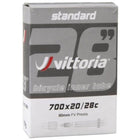
- Clincher with tube: easiest to fit and fix at the roadside.
- Tubeless: fewer flats, lower pressures, more comfort. Needs tubeless-ready rims and tyres. See Going tubeless.
- Tubular: glued or taped to special rims. Mainly for racing.
Hookless rims: only fit tyres marked as approved for hookless use, and stay under the maximum pressure on the rim (usually 72.5 psi / 5 bar).
What the labels mean
- TPI (threads per inch): higher TPI usually means a lighter, more supple casing.
- Puncture protection: a belt under the tread. More protection usually means more weight.
- Compound: softer rubber grips better but wears faster.
Pressure
The right pressure depends on your weight, tyre width and the road surface. Wider tyres need less pressure. Start from the tyre or rim maker's guide and never go outside the min and max printed on the sidewall or rim.
FAQs
How long do road tyres last?
Often 2,000–5,000 km depending on the tyre, the rider and the roads. Replace when the tread is flat, cut, or the casing shows through.
Should front and rear match?
It helps, but some riders fit a grippier tyre on the front.
Why do I keep getting punctures?
Check the tyre for embedded glass or flints, and that the rim tape covers every spoke hole.